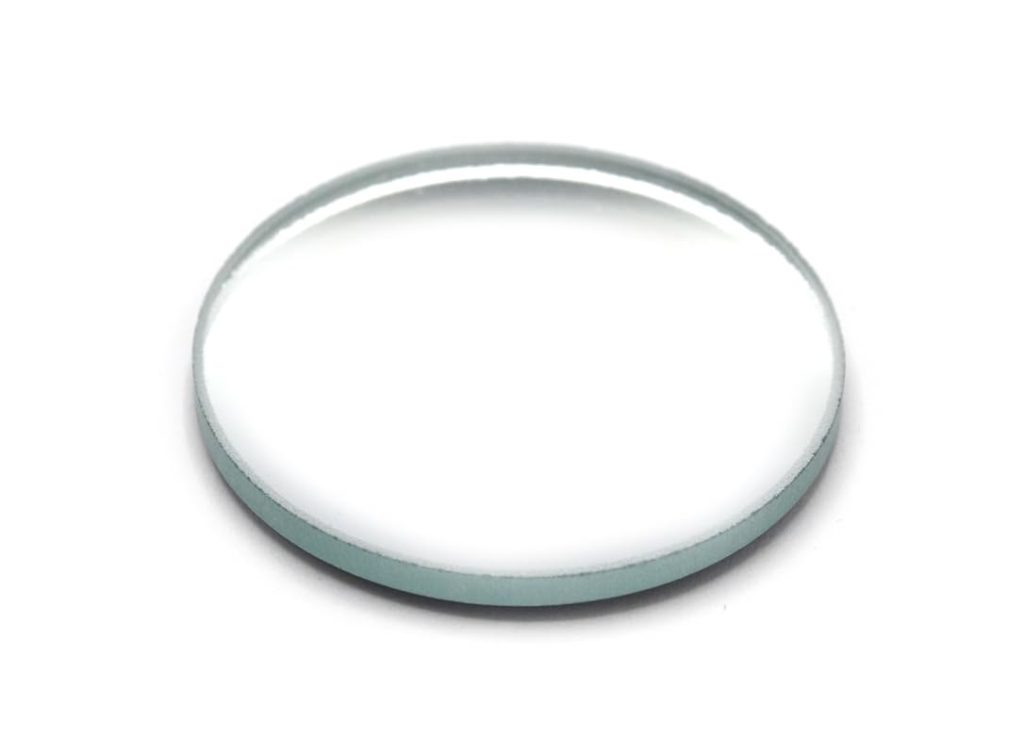
When you study the fundamentals of optics, the question of what describes the surface of a concave mirror becomes essential. A concave mirror features a reflective surface that curves inward, much like the inside of a bowl or a spoon. This specific geometry causes light rays to converge at a single focal point, which is the secret behind how these mirrors create magnified images. Understanding these physical properties is a great step toward grasping how a mirror works in both educational and practical applications.
Quick Product Comparison
Our Top 5 Describes The Surface Of A Concave Mirror Reviews – Expert Tested & Recommended
1. EISCO 38mm Concave Glass Mirror
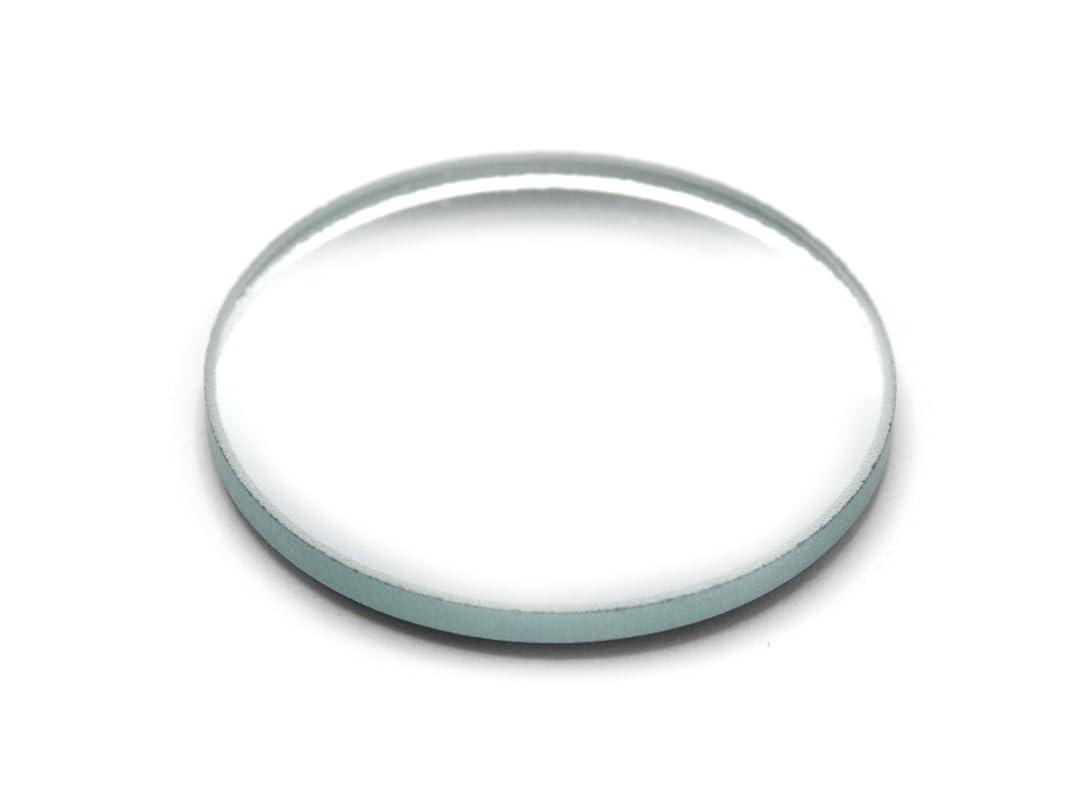
This mirror is a staple in many science classrooms. Its 38mm size makes it perfect for hands-on experiments where you need to observe how light focuses.
Key Features That Stand Out
- ✓ High-quality glass for clear reflection
- ✓ 50mm focal length for precise testing
- ✓ Durable silvered back coating
Why We Recommend It
We love this for its reliability. Whether you are learning what is a mirror made of or conducting complex light studies, the build quality is impressive.
Best For
Students and teachers looking for a reliable, compact optical tool.
Pros:
- Excellent optical clarity
- Sturdy construction
- Portable size
Cons:
- Small diameter may limit some views
Customer Reviews
Customer Review: “Perfect for our optics lab. The reflection is crisp and the focal point is exactly as advertised.”
Customer Review: “Great little mirror for the price. It feels like real glass, not cheap plastic.”
2. United Scientific Glass Mirror Set
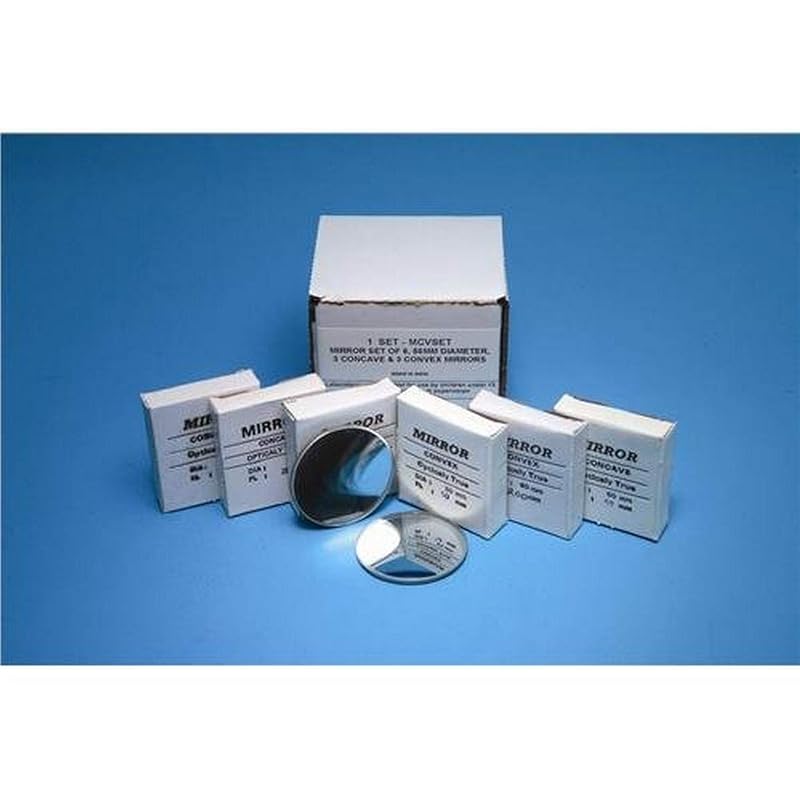
When you need versatility, this 6-piece set is the way to go. It includes various shapes to help you understand different reflection types.
Key Features That Stand Out
- ✓ Includes multiple mirror types
- ✓ Educational-grade glass
- ✓ Compact storage box
Why We Recommend It
Having a set is much better than buying one by one. It covers all the basics of physics labs in one convenient package.
Best For
Classrooms and home school setups.
Pros:
- Great value for money
- Includes various types
- Sturdy packaging
Cons:
- Mirrors are relatively small
Customer Reviews
Customer Review: “A fantastic set for teaching light reflection. The quality is exactly what we needed.”
Customer Review: “The variety in this set made our physics project much easier to complete.”
3. Eisco 300mm Concave Glass Mirror
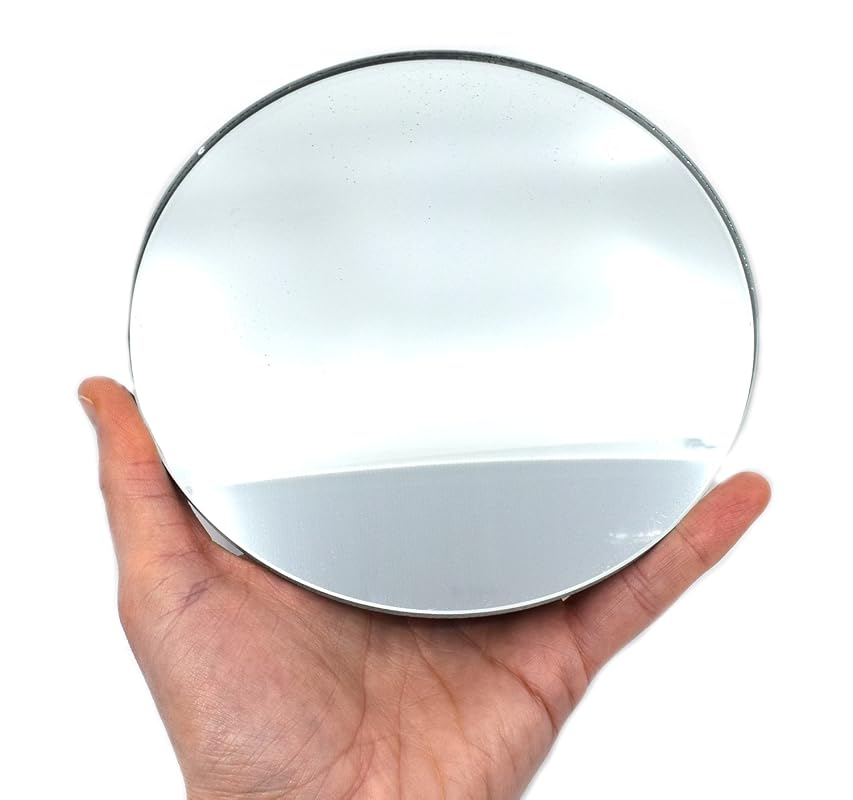
For larger demonstrations, you need a bigger surface. This 5.9-inch mirror provides plenty of room for group viewing.
Key Features That Stand Out
- ✓ 5.9-inch diameter for large experiments
- ✓ Clear 300mm focal point
- ✓ Optically worked glass surface
Why We Recommend It
It is very durable for the price. If you want to show how light behaves over a longer distance, this is the tool for you.
Best For
Advanced physics projects and classroom demonstrations.
Pros:
- Large viewing surface
- Clear, accurate focal point
- Very durable for glass
Cons:
- Requires careful handling due to size
Customer Reviews
Customer Review: “The size is perfect for our classroom demos. Everyone can see the focal point clearly.”
Customer Review: “Great quality glass and exactly as described in the specifications.”
4. 11.65-Inch Acrylic Convex Mirror
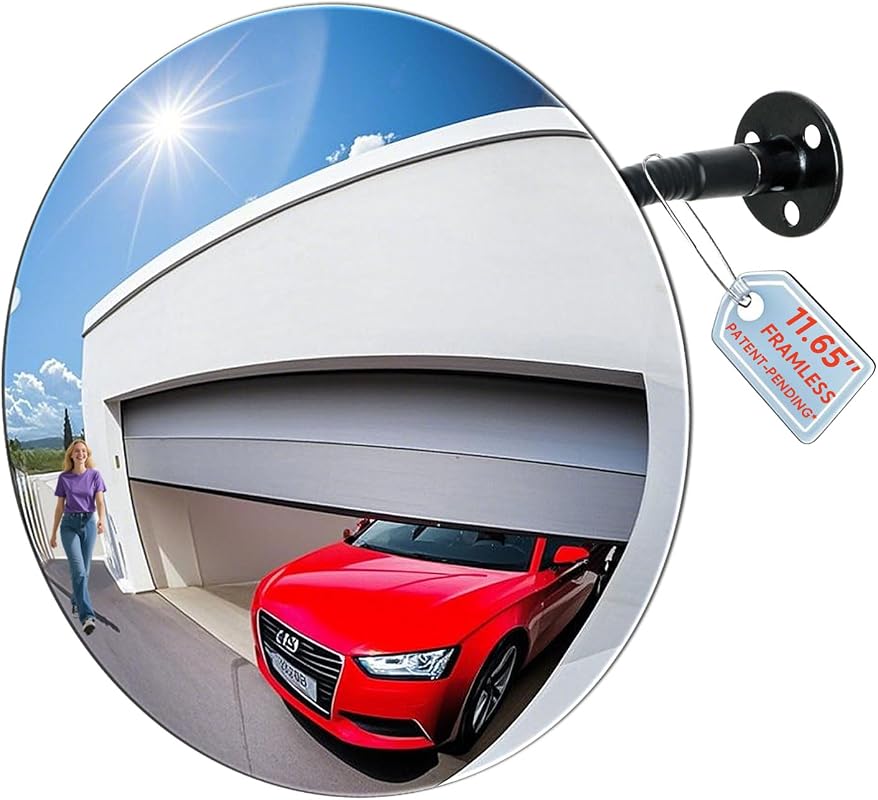
While this is a convex mirror, it is a great contrast to show how curves change light reflection. It is also excellent for security purposes.
Key Features That Stand Out
- ✓ Wide-angle viewing area
- ✓ Durable acrylic material
- ✓ Sleek, frameless look
Why We Recommend It
It helps you learn the difference between various mirror shapes. Understanding what is a convex mirror will only make your optical experiments more well-rounded.
Best For
Safety monitoring or comparing with concave lenses/mirrors.
Pros:
- Wide viewing angle
- Lightweight and durable
- Easy to install
Cons:
- Not for precise optical focusing experiments
Customer Reviews
Customer Review: “Great for my garage safety! Very clear and wide view.”
Customer Review: “Easy to mount and does exactly what it’s supposed to do.”
5. 100mm Front Surface Mirror
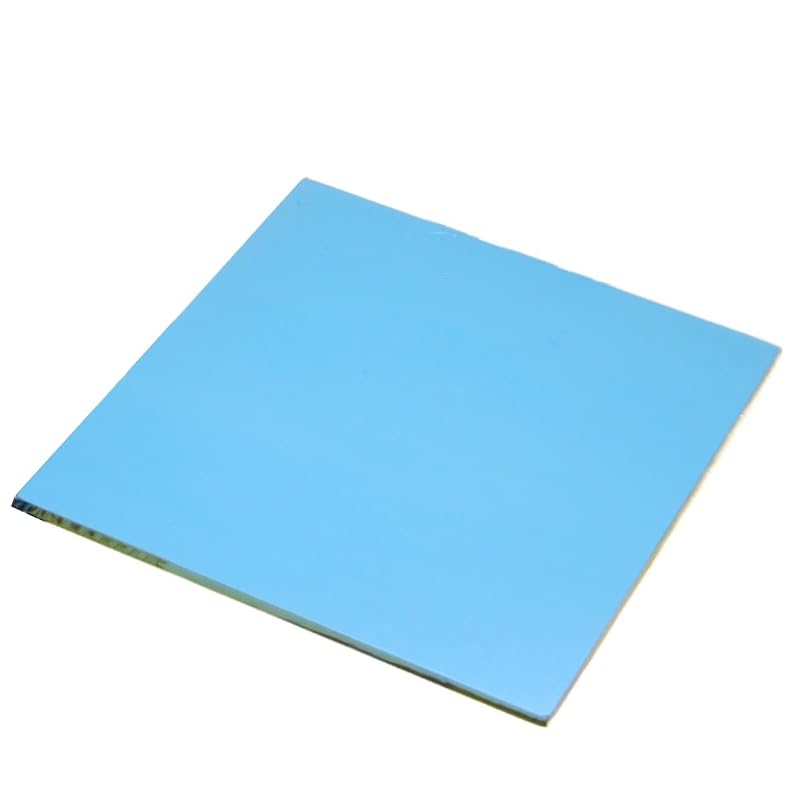
If you are working on advanced engineering, a front surface mirror is essential to prevent ghosting images common in standard mirrors.
Key Features That Stand Out
- ✓ First-surface reflection for accuracy
- ✓ 3mm thick optics-grade glass
- ✓ Perfect 100x100mm square size
Why We Recommend It
For anyone serious about optics, this provides the highest level of detail. It is a professional-grade item for serious hobbyists.
Best For
Engineering projects and high-accuracy light testing.
Pros:
- Professional clarity
- No ghosting images
- Sturdy, solid build
Cons:
- Surface is delicate to touch
Customer Reviews
Customer Review: “Perfect for my telescope repair. Zero distortion.”
Customer Review: “Highly recommended for scientific experiments requiring precision.”
Complete Buying Guide for Describes The Surface Of A Concave Mirror
Essential Factors We Consider
When selecting a mirror, always consider the focal length and diameter. The way light converges depends entirely on the curvature. Glass quality is also vital for ensuring that the reflection remains clear and distortion-free.
Budget Planning
Educational sets are often the most budget-friendly way to get multiple pieces. If you need a specific, high-precision mirror, it is worth investing in optics-grade glass that guarantees accurate focal points.
Final Thoughts
Picking the right tool depends on your goal. Whether you are teaching a classroom or working on a personal scientific project, start with quality glass and a clear purpose. You will find that experiments become much more fun and educational when you have the right gear.
Frequently Asked Questions
Q: What does a concave mirror actually do to light?
A: It converges parallel light rays to a single point, allowing for magnification when objects are placed within the focal length.
Q: Is it safe to touch the reflective surface?
A: It is best to avoid touching the surface with your fingers, as skin oils can degrade the delicate silver coating over time.
Q: Can I use these for telescope building?
A: Yes, many of these are perfect for amateur telescope projects. Always check the focal length to match your specific design requirements.
Q: How do I store my mirrors?
A: Keep them in a dry, cool place inside their original packaging to prevent scratching or moisture damage.
Selecting the right mirror for your experiments is the first step toward mastering the laws of reflection. Whether you need a simple tool for school or a precise surface for engineering, these options offer the quality you need. Grab one today and start exploring the fascinating world of optics!